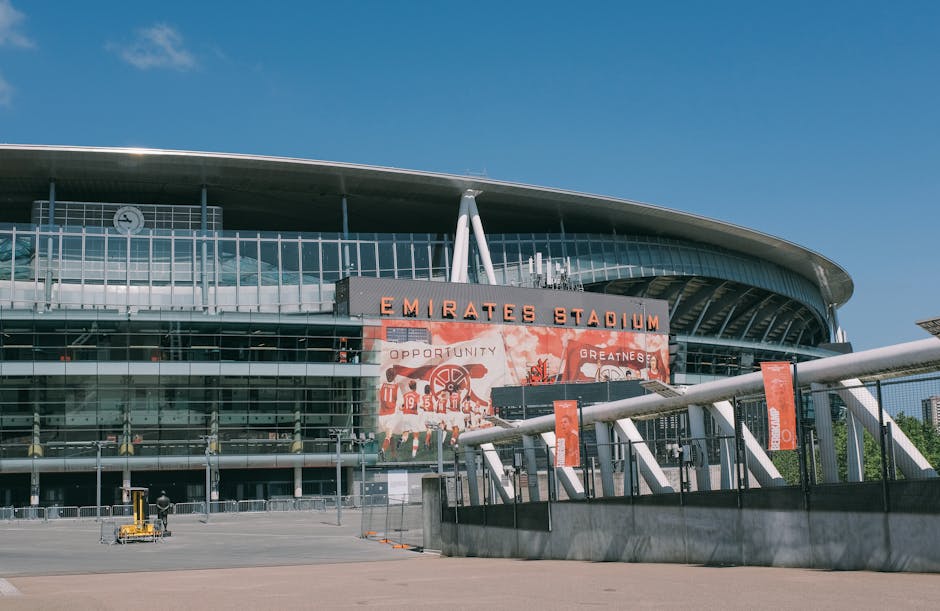
Twickenham removals guide for moves near Twickenham Stadium
Moving near Twickenham Stadium can feel straightforward on paper, and then match day arrives. Suddenly the roads are busier, parking feels tighter, and a simple van load turns into a small logistics puzzle. This Twickenham removals guide for moves near Twickenham Stadium is here to help you plan a calmer, smarter move whether you are shifting into a flat, relocating a family home, or moving a business somewhere nearby. The goal is simple: avoid stress, protect your belongings, and make the day work with the local area rather than against it.
In this guide, you will find practical advice on timing, access, packing, storage, and the small decisions that make a big difference on moving day. We will also cover the kind of service choices people often overlook at first, like local removals, man and van support, and professional packing services. If you are moving close to the stadium, a little planning goes a long way. Truth be told, it is usually the parking and timing that catch people out, not the lifting.
Expert summary: Moves near Twickenham Stadium are easiest when you plan around event traffic, check access early, and choose the right level of help for your property type, load size, and timeframe.
Table of Contents
- Why this guide matters
- How moving near Twickenham Stadium works
- Key benefits and practical advantages
- Who this is for and when it makes sense
- Step-by-step guidance
- Expert tips for better results
- Common mistakes to avoid
- Tools, resources and recommendations
- Law, compliance, standards and best practice
- Options, methods and comparison table
- Case study or real-world example
- Practical checklist
- Conclusion
- Frequently asked questions
Why Twickenham removals guide for moves near Twickenham Stadium Matters
Twickenham Stadium changes the moving picture. On a normal weekday, a local move may be fairly routine. On an event day, or even a day when traffic builds earlier than expected, the same road can become slower, noisier, and harder to park on. That matters because removals are all about momentum. If your van cannot stop safely near the entrance, or if the route in and out takes longer than expected, the whole schedule starts to wobble.
For households, the impact is usually practical: more carrying distance, more time, and a greater chance of fatigue. For flats, it may be narrow stairwells, limited lifts, or awkward loading bays. For businesses, the issue is often continuity. You want desks, documents, and equipment moved without disrupting the working week too badly. A thoughtful plan reduces all of that. It also helps you decide whether you really need a full removals crew or whether a smaller service such as small removals is the better fit.
There is another reason this guide matters: near-stadium moves can create hidden delays that feel minor at first. A short hold-up finding parking. A building manager who wants advance notice. A wet afternoon that makes stairs and pathways slick. None of these are dramatic on their own, but together they can turn a simple move into a long day. Planning for the ordinary surprises is what separates a manageable move from a frantic one.
How Twickenham removals guide for moves near Twickenham Stadium Works
At its core, moving near the stadium is about matching the removal plan to the local conditions. That starts with understanding the property, the route, and the timing. The mechanics are simple, but the details matter.
First, assess access. Ask yourself: how close can a vehicle realistically get to the door? Is there a single narrow road, a resident-only zone, or a loading restriction nearby? Even without official complications, everyday traffic can alter the easiest parking spot. If the route includes a terrace street, a managed apartment block, or an office entrance, you may need to build in extra time for loading and unloading.
Second, decide on the service level. Some moves need a full team and a larger vehicle. Others are better suited to a lighter, more flexible solution. For example, if you are moving a few rooms or a smaller set of items, a man and van service can be efficient and practical. If you are relocating a whole family home, a more complete house removals service may be more appropriate. Flat dwellers often benefit from the structure of flat removals, especially where stairs, lifts, or access schedules matter.
Third, think about storage early rather than late. People often leave this until the final week, which is a bit like trying to pack after the kettle has already gone missing. If completion dates are uncertain, or if the new place is not ready, options such as short-term storage or removals and storage can reduce pressure and keep the move flexible.
Key Benefits and Practical Advantages
A good removals plan near Twickenham Stadium is not just about getting boxes from one place to another. It gives you control. And control, during a move, is worth a lot.
- Less disruption: By avoiding peak traffic windows and planning access properly, you reduce the chance of delays.
- Safer handling: Better packing and the right vehicle size mean fewer knocks, slips, and last-minute compromises.
- Clearer budget planning: A well-scoped move is easier to quote and easier to compare.
- Lower stress: The move feels more structured, especially if you are juggling work, children, or handover dates.
- Better use of storage: Storage can bridge the gap when dates do not line up neatly.
There is also a very real emotional benefit. Moving is tiring, even when everything goes well. The sound of tape tearing, the box labels, the constant little decisions... it adds up. A careful plan takes some of that weight off your shoulders. You do not need to make every detail perfect. You just need enough structure that the day does not run you.
If you are moving a business or home office, the benefits are even clearer. Equipment, archives, and sensitive paperwork need extra care. In those cases, it can be worth looking at office removals and, where needed, office storage to keep things organised between locations.
Who This Is For and When It Makes Sense
This guide is for anyone moving in or around Twickenham where stadium traffic, local access, or tight timing may affect the day. That includes:
- families moving into larger houses nearby
- tenants relocating into or out of flats
- students moving into smaller accommodation
- landlords preparing properties between lets
- small businesses changing office space
- people downsizing and needing temporary storage
It also makes sense if you are not moving far, but the move is still awkward. Short local distances can be deceptive. A one-mile move may sound easy until you realise there is no easy place to park, the building has a strict move-in slot, and one wardrobe will not fit through the stairwell. That is when a local specialist becomes useful.
For students, timing and budget often lead the decision. A lighter move, perhaps with student storage for belongings during breaks, can be a sensible way to reduce clutter and avoid dragging everything from term to term. For people between homes, secure storage is often the calmer option than trying to cram too much into one day.
Step-by-Step Guidance
Here is a practical way to approach a move near Twickenham Stadium without getting overwhelmed.
- Map the access points. Check the front door, stairs, lift, parking distance, and any restrictions that might affect loading.
- Choose the right move type. Decide whether you need a full removal team, a smaller van service, or help with particular items only.
- Sort your belongings early. Separate keep, donate, recycle, and store piles. The less unnecessary stuff you move, the easier the day becomes.
- Book packing support if needed. If work, children, or deadlines are already filling the week, professional help can make a surprising difference. Packing services are especially useful for fragile items and time-pressed households.
- Label boxes clearly. Room names are good; contents are better. A box marked "kitchen" is fine. A box marked "kitchen, mugs and kettle" is better.
- Plan the timing carefully. Avoid the busiest windows if you can, especially around events or commuting peaks.
- Decide what needs to go into storage. If dates are uncertain, use storage rather than trying to force everything into one schedule.
- Confirm security, access, and insurance. Before moving day, check what is covered, what is not, and how valuables will be handled.
- Leave a final buffer. A spare hour at the end can be the difference between a smooth handover and a stressful scramble.
One useful habit: keep a small essentials bag aside for tea, chargers, documents, medication, and a snack. It sounds basic, because it is. Yet on moving day, the kettle somehow becomes the most valuable item in the house.
Expert Tips for Better Results
Over the years, the best moves near busy local landmarks tend to have a few things in common.
1. Treat access like a first-class issue
Do not assume the van can stop directly outside. It may, or it may not. A shorter walk from vehicle to door is always preferable, but even an extra twenty metres can slow things down when you are carrying mattresses, boxes, and a heavy mirror in light rain. Check the route, not just the postcode.
2. Pack for lifting, not just for storage
Boxes should be sturdy enough to be stacked and lifted repeatedly. Avoid overfilling large boxes with books or kitchenware. They become brutally heavy, and no one needs that sort of heroism before lunch.
3. Protect corners and surfaces
Twickenham homes and flats vary a lot in layout. Tight staircases, painted walls, polished floors, and awkward door frames are common pinch points. Use coverings and simple protective materials where appropriate. The goal is not perfection. The goal is fewer scuffs and fewer regrets.
4. Keep bulky items under control
Wardrobes, sofas, dining tables, and white goods can dominate the move if they are not planned properly. If you have large furniture that cannot be taken out safely in one piece, consider whether temporary storage or dismantling is more sensible. In some cases, furniture storage becomes the practical bridge between homes.
5. Build in time for the unpredictable
Someone forgets a key. The lift is booked by another resident. The parking spot you hoped for is taken. These things happen. A buffer in the plan keeps the mood from tipping too far. And honestly, a calm mover is a better mover.
Common Mistakes to Avoid
Most moving headaches are avoidable. Not all, but most.
- Underestimating local traffic: If you do not account for event-day pressure, you may lose precious time.
- Leaving packing too late: Last-minute packing usually means weaker organisation and more breakages.
- Choosing the wrong service size: A van that is too small can cost more in repeat journeys and frustration.
- Ignoring building rules: Some flats and managed properties require specific move windows or advance notice.
- Mixing essentials with deep storage items: Keep important items separate so they are easy to find.
- Forgetting to ask about cover: Insurance and liability questions should be cleared up before the day, not after a problem appears.
Another common one is trying to do everything yourself because you want to save money. Fair enough. But if the move includes stairs, awkward access, or a tight deadline, the cheapest option on paper is not always the cheapest in reality. A slower, more suitable setup can save time and protect your belongings.
Tools, Resources and Recommendations
You do not need a van full of gadgets to move well, but a few simple tools help enormously.
- Strong boxes and tape: Use consistent box sizes where possible so stacking is easier.
- Labels and marker pens: Clear labels reduce confusion when you arrive.
- Furniture blankets and covers: Good for protecting finishes and reducing scratches.
- Bubble wrap or paper wrap: Helpful for fragile items, especially glass and lamps.
- Sturdy bags or crates: Useful for soft items, linens, and awkward-shaped belongings.
For people who want a simpler overall move, a combination of services is often the best answer. For example, if you are moving a small amount of furniture, using small removals plus some temporary storage can be easier than arranging a full-scale move. If you are between properties, household storage can keep everyday items safe without crowding your new place too quickly.
If you run a local company and need to move documents or archived records rather than bulky stock, document storage is a smart way to keep paperwork tidy and accessible. Small move, big relief. That simple.
Law, Compliance, Standards, or Best Practice
For removals near Twickenham Stadium, the most important compliance concerns are usually practical rather than dramatic. You are typically thinking about parking permissions, access arrangements, safe lifting practices, building rules, and proper handling of personal property. If your move involves a managed building, ask for any move-in or move-out conditions in advance. If you are relocating business materials, be especially careful with confidential information and sensitive items.
It is also sensible to work with providers who take safety and security seriously. Clear policies, proper handling, and transparent terms matter. If you want to review a company's approach, pages such as health and safety guidance, insurance and safety information, and terms and conditions can help set expectations before anything is booked.
For payments and data handling, customers usually want reassurance more than anything else. A clear process for payment and security and a straightforward privacy policy are basic trust signals. They do not make a move happen on their own, of course, but they do help you feel more confident before handing over details.
Best practice, in plain English, means this: keep communication clear, confirm access early, pack safely, and choose a service that fits the real shape of your move rather than the ideal one in your head. That is often what separates a decent move from a genuinely good one.
Options, Methods, or Comparison Table
If you are deciding how to move near the stadium, this quick comparison can help you match the approach to the job.
| Option | Best for | Advantages | Things to watch |
|---|---|---|---|
| Man and van | Smaller loads, short local moves | Flexible, often efficient, good for a few rooms | May not suit large households or many bulky items |
| Local removals | Typical house or flat moves | Balanced support, practical for nearby relocations | Access planning still matters |
| House removals | Full household moves | More structured and suited to bigger inventories | Needs stronger advance planning |
| Removals and storage | Moves with date gaps or uncertain handovers | Useful when you need flexibility | Requires decisions about what to store and for how long |
| Short-term storage | Brief gaps between homes | Reduces pressure on moving day | Best used with clear labels and inventory notes |
To be fair, there is no single "best" option for everyone. If you are moving a one-bedroom flat near the stadium, the right answer may be a compact service and a storage unit. If you are moving a family with wardrobes, bikes, and a sofa that has seen better days, a fuller removals plan is probably wiser.
Case Study or Real-World Example
Imagine a couple moving from a flat near Twickenham Stadium into a house a short drive away. On paper, it sounds easy. But the building has a narrow stairwell, the parking outside is limited, and the handover at the new place is not until late afternoon. If they try to do everything in one run without a plan, the day becomes long and oddly tense.
Instead, they split the move into stages. Fragile items are packed early. A few non-essentials go into short-term storage for a week. The rest are moved in a single organised trip using a local removals team. The result is not glamorous, but it works. They avoid rushing, the stairwell is protected, and they arrive at the new house with enough energy left to find the kettle and the bedding. That matters more than people admit.
Another common local scenario is a small business moving away from a compact office near the stadium. Rather than relocating every file, chair, and spare monitor at once, the owner stores excess items, uses office removals for the core equipment, and keeps a few critical records in office storage. It is less dramatic than a full blitz move, and usually less stressful too.
Practical Checklist
Use this simple checklist in the final week before your move.
- Confirm the move date, time, and access details
- Check parking options near both properties
- Notify building managers or landlords if needed
- Book the right level of removals support
- Decide what goes into storage and what travels on the day
- Pack fragile items separately and label them clearly
- Keep essentials, documents, keys, and chargers with you
- Protect floors, corners, and furniture where appropriate
- Review insurance, payment, and terms before moving day
- Leave a buffer for delays, traffic, or unexpected access issues
Quick reminder: the smoother moves are usually the ones where the hard decisions were made early. Not perfectly early, just early enough.
Conclusion
Moving near Twickenham Stadium does not need to be chaotic. Once you account for access, timing, storage, and the right level of help, the whole process becomes much more manageable. The local area has its quirks, as every busy part of London does, but those quirks are easier to deal with when you plan around them rather than hoping they will disappear.
If you take one thing from this guide, let it be this: a better move is usually a better sequence of small decisions, not one dramatic effort at the end. Choose the right service, pack with care, keep storage in mind, and give yourself a bit of breathing room. That alone will remove a surprising amount of pressure.
Get a free quote today and see how much you can save.
And if the day still feels a bit much, that is normal. Most moves do. The trick is just making them feel smaller, steadier, and more under control one box at a time.
Frequently Asked Questions
How far in advance should I book a removal near Twickenham Stadium?
As early as you reasonably can, especially if your move could coincide with a busy local period or a property handover deadline. Booking early gives you more choice of time slots and more room to handle access details.
Is a man and van enough for a flat move near the stadium?
Sometimes, yes. If you have a smaller volume of belongings and straightforward access, a man and van service can be ideal. For larger flats or awkward stair access, a fuller removals service is often easier.
What should I do if my moving dates do not line up?
Use storage. A short gap between homes is very common, and removals and storage can take the pressure off without forcing you to rush.
How do I avoid parking problems on moving day?
Check access well before the move, speak to the building manager if relevant, and plan for the van to stop as close as legally and safely possible. Around Twickenham Stadium, timing matters more than people expect.
What items are worth putting into storage?
Anything you do not need immediately, especially if your new place is smaller or your dates are uncertain. Seasonal items, spare furniture, and boxed extras are common candidates for self storage or short-term storage.
Should I pay for packing services?
If you are busy, dealing with fragile items, or simply do not want to spend days surrounded by tape and boxes, yes, it can be worth it. Packing services are especially helpful for time-sensitive moves.
Are flat moves more difficult than house moves?
Not always, but they can be more fiddly. Stairs, lifts, shared entrances, and tighter hallways often make flat removals more about logistics than sheer volume.
What if I only have a few large items to move?
That is where small removals can make sense. It is a sensible way to avoid paying for more vehicle space and labour than you need.
How can businesses move near Twickenham Stadium with minimal disruption?
Separate essentials from non-essentials, schedule the move outside peak working hours where possible, and consider business storage or office storage for overflow items.
What should I check before handing over personal or valuable items?
Review insurance, handling procedures, and any relevant terms before the move. It is sensible to understand what is covered and how items will be transported, especially for fragile or high-value belongings.
Is local removals support really better than hiring a generic van?
In many cases, yes. A local removals provider is more likely to understand nearby access patterns, typical parking issues, and the practical rhythm of moves in the area.
What is the simplest way to reduce moving-day stress?
Pack earlier than you think, label clearly, and choose a move plan that matches your actual load and timetable. A little calm structure goes a long way. Honestly, that is half the battle.